Cruise Ship Myths: 6 Dangerous Misconceptions You Must Avoid
Introduction
When most people hear “cruise ship,” they envision turquoise waters, sunny decks, endless buffets, and carefree sunset cocktails.While that assumption is not entirely wrong, it is also dangerously incomplete.Beneath the postcard-perfect facade lie persistent myths some funny, some dangerous that can compromise your safety, your wallet, and even your peace of mind.
For first-time cruisers and seasoned travelers alike, believing the wrong thing at the wrong time can turn a dream vacation into a nightmare.To protect your trip, your health and your sense of security, we’ve highlighted six dangerous cruise ship misconceptions that deserve immediate correction.These are not just common myths they are potentially dangerous notions that every modern traveler should understand before setting foot on deck.
Table of Contents
Myth #1: “Cruise Ships Are Floating Petri Dishes, You’ll Definitely Get Sick”
Reality: Yes, cruise ships can be breeding grounds for disease but only if you ignore basic hygiene and preventative measures.The Centers for Disease Control and Prevention (CDC) actually maintains a strict vessel sanitation program that inspects all major cruise ships that dock in US ports.Ships routinely score above 90 out of 100 in these inspections, with many ships achieving perfect scores.Norovirus like outbreaks do occur, but they are much less common than pop culture suggests.According to CDC data, the chance of being infected with norovirus on a cruise is less than 1% less than your risk in a crowded airport or hotel.
In addition, modern cruise lines have implemented advanced air filtration, contactless technology and hospital-grade sanitation protocols following the pandemic.What you should do instead:
Wash your hands often with soap and warm water (hand sanitizer is not enough for norovirus).Avoid local food centers during busy times.Stay hydrated and get enough rest your immune system is your first line of defense.Believing that you are certain to get sick leads to unnecessary worry.In fact, with conscious habits, a cruise ship can be one of the cleanest travel environments you’ll ever experience.
Myth #2: “All Cruise Ships Are the Same, Just Big, Boxy Boats”
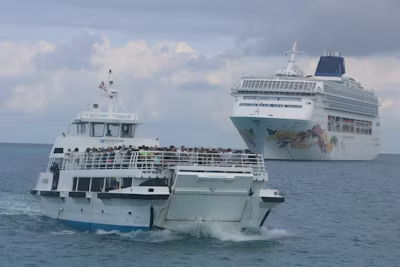
The Reality: Nothing can be further from the truth. Today’s cruise delivery enterprise spans the entirety from extremely-luxury boutique vessels carrying fewer than 200 guests to mega-ships like Royal Caribbean’s Icon of the Seas, a floating metropolis taller than the Statue of Liberty and longer than the Empire State Building.
Each cruise ship offers a unique environment: day trip ships for polar exploration, well being-targeted vessels with onboard meditation gardens and IV diet remedy, family-orientated ships with browsing simulators and ice-skating rinks, or even adults-handiest ships designed for quiet mirrored image and cultural immersion.
Why This Myth Is Dangerous:
Assuming all cruise ships are interchangeable results in mismatched expectancies. Booking a celebration-heavy megaship while you crave solitude or a minimalist day trip vessel when your children anticipate water parks can result in unhappiness, wasted money, and emotional fatigue.
Smart Strategy:
Research the ship’s vibe, now not simply the itinerary. Look at passenger demographics, onboard services, eating alternatives, and noise degrees. Cruise strains now submit designated “deliver persona” publications for exactly this motive. Align your emotional desires and journey dreams with the right floating environment.
Myth #3: “You’re Completely Safe, Nothing Bad Can Happen at Sea”
Reality: Cruise ships are constructed with exceptional safety standards, but they are not invincible.Storms, mechanical failures, medical emergencies and even rare events such as fire or drowning occur. The danger is not in the possibility it is in the false sense of absolute security.A 2023 report by the International Maritime Organization stated that while maritime accidents are statistically rare, human error (including passenger behavior) contributes to approximately 75% of incidents on board ships.From ignoring exercise instructions to excessive drinking near the guardrail, complacency is the real enemy.
What you need to know:
International law requires every cruise ship to conduct a muster exercise before departure.This is not theater this is your lifeline.Know your assembly station, your lifeboat number and emergency procedures.Don’t skip it because you “did it last time.”Ships rotate itineraries and crews; The protocols are subject to change.Also buy travel insurance that covers medical evacuation.Cruise ship hospitals are equipped for basic care, but serious conditions require air transport or hospitalization on the port side procedures that can cost thousands without coverage.
Myth #4: “Everything Onboard Is Included, It’s All-You-Can-Eat Paradise”
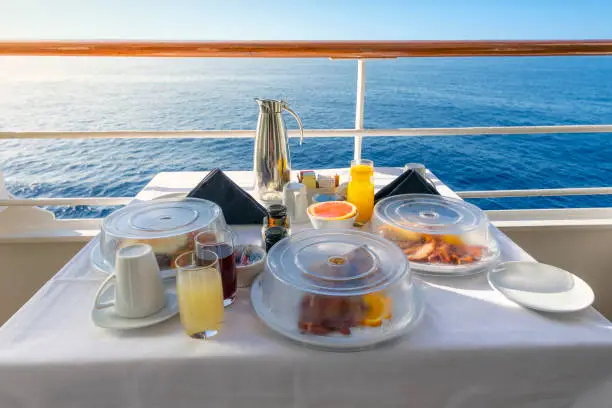
The Reality: While your stateroom, major eating room meals, and fundamental enjoyment can be included, the “all-inclusive” label is basically an advertising phantasm.On most mainstream cruise lines, you’ll pay extra for:
Specialty dining (steakhouses, sushi bars, and so on.)
Alcoholic beverages and premium coffee.
Wi-Fi and internet applications.Spa treatments and fitness instructions.Shore tours.Gratuities (frequently routinely delivered however rarely non-compulsory).
These accessories can double your journey’s price. A circle of relatives of 4 may board watching for a $three,000 excursion simplest to walk away with a $6,500 final invoice.
The Emotional Trap:
This myth exploits our preference for simplicity and abundance. But hidden costs create resentment, price range anxiety, and selection fatigue all through what have to be your healing time. Worse, they can lead to impulsive spending just to “get your cash’s well worth.”
How to Navigate It:
Choose a really all-inclusive line (like Regent Seven Seas or Silversea) if finances predictability matters.Set a daily spending restriction earlier than departure.Use the cruise line’s app to track onboard expenses in real time.
Pre-book drink or dining programs simplest if you’ll definitely use them they’re not often well worth it for mild users.
Remember: a cruise ship is a commercial enterprise designed to delight you and monetize every moment of that pleasure. Conscious intake is your nice defense.
Myth #5: “You Can’t Stay Healthy or Eat Well on a Cruise Ship”
The Reality: This previous belief stems from a long time-old buffet weighted down with heavy, processed fare. Modern cruise ships now rival land-based total hotels in wellbeing services.Celebrity Cruises functions plant-primarily based menus advanced with nutritionists. Viking Ocean Cruises offers cold-pressed juices and Nordic-inspired superfoods. Even Carnival has added “Health and Wellness” menu markers and health trackers for guests.
Many ships boast full-carrier gyms, dawn yoga on the pinnacle deck, private trainers, and even IV hydration clinics. You can meditate in silent lounges, attend sleep workshops, or e book spa treatments the usage of natural, marine-primarily based skin care.
Why This Myth Harms You:
Believing you “have to” abandon your fitness routine leads to guilt, bloating, bad sleep, and post-cruise remorse. It turns your excursion into a cycle of indulgence and self-rebuke robbing you of the actual reason of journey: renewal.
A Better Approach:
Start your day with water and a stroll across the prom deck (maximum ships are ¼ to ½ mile consistent with lap).
Fill half your plate with vegetables at every meal.
Opt for grilled over fried, still water over sugary cocktails.Use the ship’s wellbeing calendar many provide unfastened mindfulness sessions or dietary seminars.Your cruise delivery can aid your health desires in case you choose to interact with it intentionally.
Myth #6: “Cruising Is Environmentally Harmless It’s Just Floating Vacation”
Reality: Cruise ships are one of the most complicated and wonderful cellular structures on Earth.A large ship can produce: 210,000 liters of sewage per week,1 million liters of wastewater (from sinks, showers, laundry),eight tonnes of strong waste according to day,
Emissions equal to 1,000,000 motors (antique ships use heavy gas oil).
While new ships are adopting LNG (liquefied natural gas) engines, superior wastewater remedy and bans on single-use plastics, the industry still faces full-size sustainability demanding situations.Why ignoring it’s far dangerous:
Not just for the planet but also for the future of your adventure.Overtourism in ports consisting of Venice and Sardinia has brought about nearby bans on cruise ships.Environmental remarks can restriction get admission to to the locations you dream of touring.Travel with discretion:
Choose cruise lines with transparent sustainability reports (check out CLIA’s “Destination Stewardship” certification).Avoid single-use plastic on board bring your own water bottle.
Support excursions on countries that work with local communities, not mega-tour operators.Skip the “helicopter ride” if there are lower impact options.Your cruise ship experience really doesn’t have to cost a fortune. Conscious choices keep these journeys safe for generations.
Final Thoughts: See Beyond the Surface
A cruise ship is more than a vacation vehicle; it’s a microcosm of human ingenuity, desire, and vulnerability.The myths we carry onboard shape not only our expectations but our behaviors, our safety, and our emotional well-being.
By dispelling these six dangerous misconceptions, you reclaim agency over your journey.You trade fear for preparedness, guilt for balance, waste for wisdom, and passive consumption for intentional presence.
The most rewarding cruise isn’t the one with the most Instagrammable views it’s the one where you feel secure, empowered, and truly at peace.And that starts not on the open sea, but in the clarity of your mind before you ever pack your suitcase.So the next time someone tells you, “Cruising is just a floating resort,” smile and know that you’re sailing with eyes wide open.Bon voyage.
FAQ 1: Are cruise ships prone to sinking?
No. Modern Cruise Ships are among the safest vessels afloat, built with advanced navigation, stability systems, and rigorous international safety standards.
FAQ 2: Can you easily get “trapped” on a cruise ship during an emergency?
No. All passengers must complete a mandatory safety drill before departure, and ships have clearly marked exits, lifeboats, and trained crew ready to assist instantly.
FAQ 3: Is seasickness common on all cruise ships?
Not usually. Today’s Cruise Ships use stabilizers to minimize motion, and most travelers especially on large ships in calm waters never experience seasickness.