






Cruise Ship Food : Your Ultimate 10-Step Guide to Delicious Onboard Menus
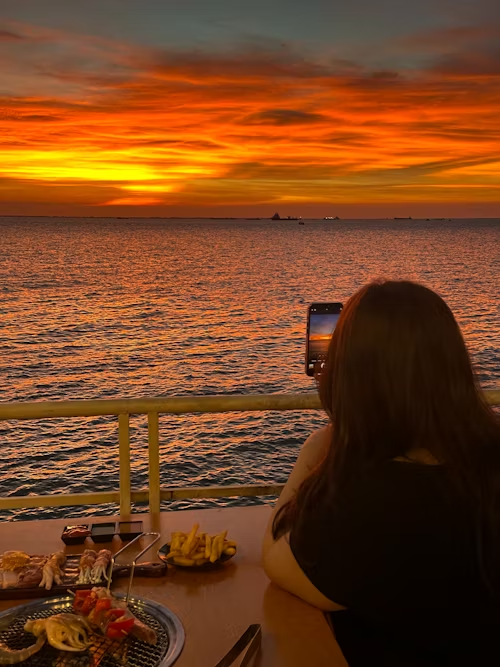
You have ordered a cruise ship. You have looked at pictures of turquoise water and an ancient pool for a long time. But if you are something like me, an important part of the deed is before the region dedicated to one thing: food. The cruise ship is legendary for its 24/7 pak Prasad, from infinitely soft-saving ice cream to multi-gourd Petru dinner. It is a liquid paradise for your taste buds, but it can also be a maze of options that you need to navigate without the need to buy a new closet for the trip home.
Welcome to your epic guide. We will decode the secrets of serving cruise ships, not only to show you where the best pizza is found at 2, but also to help you prepare a meal experience that celebrates joy by honoring your personal health and well-being. Because the true luxury feels amazing when you treat yourself.
Table of Contents
1. The Main Dining Room (MDR): The Grand Dame of Dining
Think of the MDR as the elegant, cornerstone eating place of the ship. With multi-tiered ceilings, glittering chandeliers, and attentive waitstaff who examine your call by using the second one night, that is when cruise eating traditions shine. You’ll usually be supplied both a hard and fast dining time (Early and Late seating) or “Anytime Dining.”
The Menu:
It adjusts day by day, frequently proposing a topic (Italian Night, Caribbean Night, and so forth). You’ll find a selection of appetizers, soups, salads, mains, and cakes. The exceptional part? You can order more than one of something. Can’t decide between the lobster tail and the pork Wellington? Get both. This is your vacation.
Pro Tip:
The MDR regularly has “continually available” classics like a grilled chicken breast, salmon, or a vegetarian pasta. These can be great anchors for a meal where you may want to experiment with a richer appetizer or dessert.
2. The Buffet: The Frenetic, Fantastic Food Bazaar
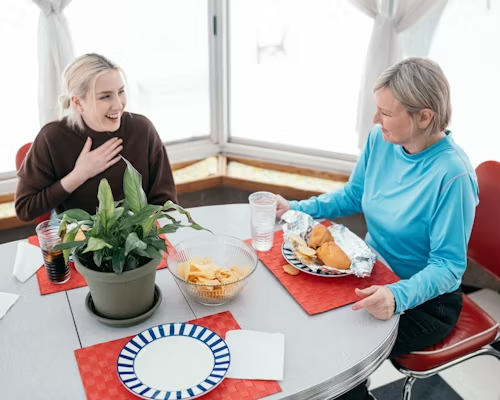
Lido Deck Buffet is the heart of casual food. It is open for breakfast, lunch, dinner, and every snack in the middle. The pure volume and variety can be heavy – a luxurious, chaotic symphony of food from around the world.
Strategy:
Never commit the first thing you see in curise ship. Low adoption around the entire buffet station. Examine the landscape. See what is done in action stations (omelet in the morning, stir at night). This Rickon mission plate prevents additional fees and helps you choose what you really want, instead of what is immediately ahead of you.
Health Hack:
Buffet is a secret weapon for really good health. This is where you have the most control over your parts and components. First load in the large salad bar. Kill the carving station for lean protein. Look for simple grilled vegetables and whole grains. By filling half of your plate with these business-grade options, you create a good basis for your overall health before adding pizza or a piece of sweets.
3. Specialty Restaurants: The Elevated Experience
For more intimate and curved food, you will find special restaurants: stakes, Italian trattorias, French bistros, sushibar, and more. They usually require an additional coverage fee or à la Carte prices.
Absolutely, for at least one night. Quality is often a noticeable step; the service is more individual, and the environment is cool and more romantic. This is the right way to celebrate a special occasion.
Order smart:
This menu is designed to be a bhogi. For a preparation that highlights the quality material instead of hiding it in heavy sauce. Handmade pasta with dry-aged beef, simply grilled fish, or a fresh tomato basil sauce is a great option that feels fantastic without being extremely heavy.
4. The Nosh Network: 24/7 Casual Bites
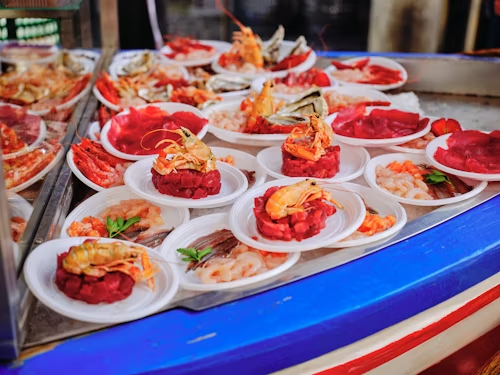
Beyond the Big Three, a universe awaits casual brick. This is the place where I solve “just whipped” moments:
Pizza Station: Serve often surprisingly good, fresh-off-the-oven pizza for all hours.
Burger and Hot Dog Grill: Pool classics when you need a fast, satisfying bite.
Coffee shops and bakers: for their fixed latte and a fresh pastry.
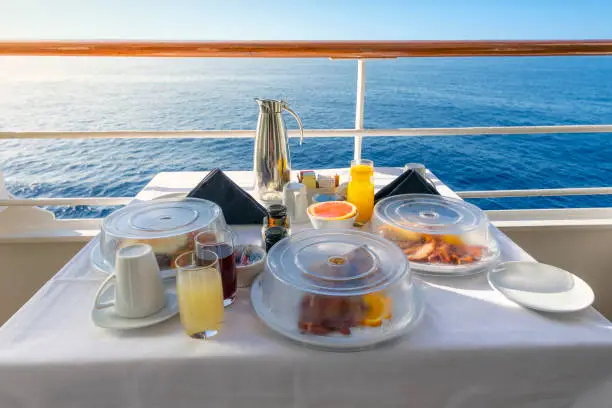
Room service: Last luxury to enjoy a club sandwich and chocolate cake on the balcony of your rebellion.
5. Decoding the Menu: A Glossary for the Gourmand
The menu can sometimes use a language that makes everything unique. Here’s a quick translation:
1. “Crispy,” “Golden-Fried,” “Crunchy”: = Fried. Tasty, but know what you get.
2. “Creamy”, “Rich”, “collapse”, “butter”: = high in fat and calories. Perfect for a treatment.
3. “Grilled”, “shook”, “Baked”, “Steamed”, “Poches”: = usually light cooking methods. Your best options are to focus on the taste of the core component.
4. “Au juice,” “deficiency”, “glaze”: = often a sauce that can be served on the page so you can control how much you use.
5. “Seasonal, “” market fresh “,” local “(at the ports of conversation): = benefit from these! They often indicate the highest quality return and available materials.
6. The Balancing Act: Indulgence with Intention
Let’s clarify the crystal: You have leave. The problem is to relax, enjoy yourself, and try new things. The absence is not on the menu. However, a small strategy can prevent “I need to roll from the ship” and support your sense of goodness. It’s about all the choice options, not restrictive.
1. Part theory: Parts of the cruise ship can be generous. Remember that you can always order more, but you can’t eat anything. Start with a small portion. If you are really hungry, you can go back in seconds.
2. Hydration equation: sun, with salt water, and perhaps a cocktail or two, dehydration is a real risk. It is often wrong to be hungry. Keep a water bottle with you and sip continuously throughout the day. Good hydration is the simplest column for good health and can dampen unnecessary snacking.
3. “One plate” Buffer Rule: When in a Buffet, give yourself ten minutes of buffer after your first plate, consider going back to even more. It takes time for your brain to record that you are completed. Often, you will find that you are completely satisfied.
4. 80/20 Guide: Choose options that support your health about 80% of the time. Fill with lean protein, fruits, vegetables, and whole grains. Then, with the other 20%, they dive into that chocolate cake or dance late at night with zero crime. This balance is important for permanent health on leave.
7. Navigating Dietary Needs & Wellness Goals
The modern cruise ship industry specializes incredibly in handling a wide selection of dietary preferences and needs, seeing guest health as a top priority.
Vegetarian and vegetarian: The options are plentiful. In MDR, you can often preview the next day and ask for a special dish. Buffett’s has an idea salad bar, a vegetarian side, and pasta.
Gluten-free and allergies: It is taken very seriously. Inform the cruise line in advance! When you are on the ship, talk to the waiter in MDR. They will guide you through safe alternatives and often prepare food in a separate kitchen to avoid cross-contamination. Your health and safety are their assignments.
Keto, low carb, etc.: Protein and vegetable options are your best friends in each meal. Like several vegetables instead of potatoes or pasta, don’t be ashamed to ask for a replacement.
Chinese-conscious: The Sweet menu is not the only option. Fresh fruit is always available. Many vessels also have Chinese-free sweets that are surprisingly cruise ship good.
8. The Anchor of Activity: Supporting Your Food Journey
The good news is that your cruise ship is a full-time resort designed for movement. Taking advantage of these features is a fun way to support your metabolic health and obtain the extra dessert.
1. Take the stairs: This is the easiest. Leaving the elevator for stairs sometimes a day, is a great way to add non-training activity to your day.
2. Hit the Track: Most top tires have a jogging track. Running with morning trips or panoramic sea scenes is an experience you won’t get anywhere else.
3. Explore the gym: The Cruise ship gym is well-equipped with fantastic scenes. A fast 30-minute workout can activate your day.
dance! From Salsa classes to a DJ Set in the late evening, dance is a happy way to move your body.
This active approach contributes significantly to your general health and makes the PAK adventure more fun.
9. The Final Word: Your Plate, Your Vacation
Coding of cruise ship is not about making a stiff set of rules. It’s about empowerment. It’s about knowing that you can taste the incredible gelato without another idea because you started the day with a walk on Veji-Pack Omelett and tires. It’s about understanding that your health is a trip, not a destination, and that the trip can include food with five journeys after a cheese plate.
Your cruise is a time to connect, connect, and enjoy all your senses. Listen to your body, embrace abundance without the need to try everything, and get options that make you feel alive and happy. The final health goal of a cruise is incredible memories, a camera full of pictures, and coming home with a feeling of satisfaction – not a food coma.
Then lift that menu of confidence. Order Escargot. Try the right you can’t pronounce. And know that you have all the appliances that you need to navigate this delicious adventure for your long-term health and your short-term joy.
Is all food on a cruise ship included in the fare?
Most main dining rooms and buffet meals are included, but specialty restaurants, premium dishes, and certain beverages often cost extra.
Can I get dietary accommodations (e.g., gluten-free, vegan)?
Yes! Cruise lines typically offer a range of dietary options—just notify them in advance or speak with the dining staff onboard.
How many meal options are available each day?
You’ll usually find 24/7 dining options, including main dining rooms, casual buffets, room service, and multiple themed eateries—some with rotating menus.