
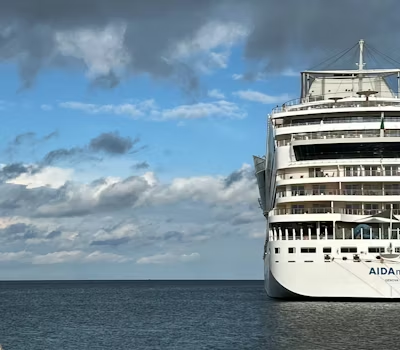
Cruise Ship Dangers Exposed: 6 Hidden Risks Every Passenger Must Know
Introduction
Cruising is frequently portrayed as the holiday dream of boundless sea vistas, all-inclusive indulgence and exploring multiple ports without the hassle of packing and unpacking repeatedly. However beyond the lights and late-night feasts there’s a truth that many promotional materials won’t reveal. Although contemporary cruise ship journeys are statistically safer than a car trip to the supermarket, the fact that you’re isolated on the ocean hundreds of miles away from land means that when dangers occur they can intensify rapidly.
This is not intended to incite fear. It’s focused on readiness. On enabling travelers to experience their trip aware, armed with information that changes doubt into assurance. As someone who strongly values human-focused narratives and impactful adventures I created this guide not to deter you from the ocean but to assist you in navigating it more intelligently.Below are six hidden Cruise Ship dangers that rarely make it into glossy brochures, yet every passenger should understand before setting sail.
Table of Contents
1. Norovirus and Other Onboard Outbreaks: The Silent Storm
Picture waking up on the day of your ideal cruise only to be bent over with severe nausea with other passengers in bathrobes quietly heading to the medical center. This is not a story. Norovirus, also known as the “stomach flu ” is the frequent and dreaded illness outbreak, on Cruise Ship trips.
What causes its occurrence? Crowded passenger spaces, communal eating spots, handrails, elevator controls and buffet setups combine to form conditions, for virus spread. A single infected traveler can trigger a cascade of infections throughout decks in one day.
The Centers for Disease Control and Prevention (CDC) oversees outbreak tracking via its Vessel Sanitation Program yet vessels with cleanliness ratings are not exempt.In 2023, by itself than 1,200 travelers became sick on one transatlantic trip.What actions are available, to you:
Clean hands completely using soap and water (hand sanitizer is ineffective, against norovirus).Avoid self-serve buffets during peak hours; opt for seated dining when possible.Carry electrolyte packets and anti-nausea meds just in case.If you feel unwell before boarding, consider postponing.Your fellow travelers will thank you.
2. Medical Limitations at Sea: Not a Floating Hospital
Against assumptions a Cruise Ship medical center does not function as a full-scale hospital. Although bigger ships have doctors and nurses on board their services are restricted. Diagnostic equipment might consist of X-rays and EKG machines but there are no MRI machines, ICU facilities or operating rooms. Critical ailments such as heart attacks, strokes or appendicitis necessitate urgent evacuation depending on weather conditions and location.
In 2022 a traveler experienced a stroke while on a cruise.Because of waters and the distance from the harbor helicopter rescue was postponed by 11 hours. The result? Lasting disability avoidable, with quicker medical attention.Actions you are able to take:
Disclose pre-existing conditions when booking.Carry a detailed medical history and list of medications.Obtain travel insurance that includes coverage, for medical evacuation (typical policies usually exclude this).Familiarize yourself with your vessel’s procedures and make inquiries when boarding.
3. Overboard Incidents: Rare but Devastating
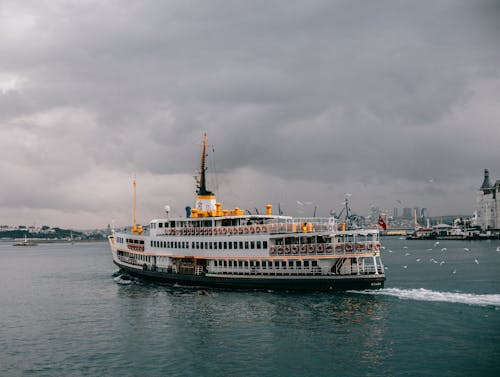
Going overboard is rare, approximately 20 to 30 cases reported worldwide annually but when it does occur the chances of survival drop drastically. Cold water shock, currents and slow discovery make rescue unlikely. Numerous cases include alcohol use, mental health issues or reckless actions close to railings.
Although the U.S. Cruise Vessel Security and Safety Act mandates ships to possess man- detection systems, adherence and performance differ. Several older ships continue to depend on crew alertness a safety measure.Things you are able to do:
Never lean over railings especially at night or after drinking.Stay aware near open decks during storms or high winds.If you or someone you are aware of’s experiencing emotional difficulties contact, onboard counselors (most major lines provide them confidentially).Advocate for safety: support legislation requiring real-time overboard detection tech on all vessels.
4. Fire and Mechanical Failure: When the Engine Stops
A fire on a cruise ship may seem like something from a movie.Actual events occur more often than expected. In 2019 a luxury vessel ignited near Norway’s coast stranding 1,300 passengers, in freezing weather for days. In 2013 the Carnival Triumph experienced an engine room blaze drifting without power in the Gulf of Mexico for a week nicknamed “The Poop Cruise” because of malfunctioning sewage systems.
Contemporary vessels are feats of engineering. Their intricacy invites risk. One minor electrical malfunction or fuel leak can escalate into a disaster especially when replacements and assistance are days distant.Actions you are able to take:
Attend the mandatory muster drill seriously, know your lifeboat station.Store a flashlight and a whistle, inside your cabin (ships can become pitch dark during power failures).Choose newer ships with updated safety certifications when possible.Research the cruise line’s incident history before booking.
5. Crime and Security Gaps: Not All Waters Are Equal
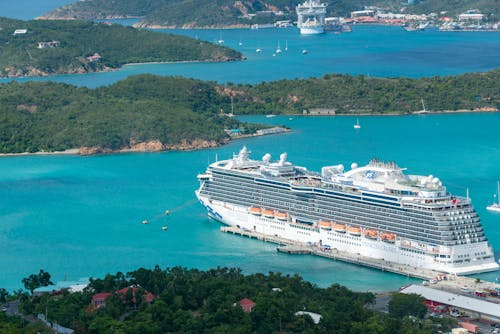
Crimes aboard cruise ships are frequently underreported and legally ambiguous. Determining jurisdiction typically hinges on the vessel’s flag state, the incident’s position and the passengers’ citizenship complicating legal action. Incidents such as assault, robbery and homicide have taken place with little enforcement of responsibility.
Victims frequently delay reporting because of embarrassment, concern about spoiling their holiday or lack of confidence, in the system.Although leading cruise companies have enhanced safety measures (CCTV, response teams) deficiencies still exist particularly on smaller ships or those registered under foreign flags.Actions you are able to take:
Never leave drinks unattended.Use cabin safes for valuables.Travel with a buddy, especially at night or in secluded areas (like spa decks or crew-only zones accidentally accessed).Save the U.S. Coast Guard’s emergency number and your country’s maritime liaison contact.
6. Environmental Hazards and Passenger Liability
Here’s an overlooked fact: passengers may unintentionally increase Cruise Ship hazards by performing apparently harmless acts. Disposing of -biodegradable materials down the toilet can block sewage systems. Interfering with smoke alarms (to vape inside cabins) turns off fire warning devices. Disregarding “do not enter” notices might result in accidents, within crew- equipment areas.
More troubling, certain passengers regard the sea as a dumping site throwing plastics into the water oblivious to the fact that maritime law forbids this practice. Such behavior harms creatures, breaches global agreements and may result in penalties or removal from the vessel.
Furthermore in weather conditions such, as rogue waves or abrupt squalls ignoring warnings can endanger everyone.Vessels are steady, but not unbreakable.Actions you are able to take:
Respect all safety signage and crew instructions they’re trained for a reason.Dispose of waste properly; ask if unsure.Monitor weather updates via the ship’s app or daily bulletin.Remember: your choices affect not just your safety, but the safety of thousands.
Sailing Forward with Awareness and Peace of Mind
Recognizing these concealed dangers doesn’t imply you should call off your cruise. On the contrary. Awareness acts as your co-captain. It enables you to unwind completely confident that you’ve planned for the improbable, allowing you to wholly savor the enchanting experience.
Top Cruise Ship journeys combine awe with accountability discovery alongside emotional safety. Opting for a cruise means more than arranging travel; it’s joining a community where each deed has far-reaching effects.By being knowledgeable, courteous and engaged you contribute to a secure caring adventure, for everyone.So pack your sunscreen, your curiosity and this guide.The sea awaits, not as a threat, but as a teacher. And with eyes open, your journey can be not only luxurious, but truly life-giving.
1. Are cruise ships safe overall?
Yes modern cruise ships adhere to strict international safety standards and are statistically very safe. However, being aware of hidden risks helps you prepare and respond effectively if the unexpected occurs.
2. Can I get travel insurance that covers cruise emergencies?
Absolutely. Look for comprehensive travel insurance that includes medical evacuation, trip interruption, and coverage for onboard medical care standard policies often exclude these.
3. What’s the #1 thing I can do to stay safe on a cruise ship?
Participate fully in the muster drill, practice good hygiene (especially handwashing), and always follow crew instructions these simple steps significantly reduce your risk.