

Cruise Ship Safety: 7 Important Protocols Every Passenger Should Understand
A cruise ship is nothing like the expectation of a vacation. Every morning is the idea of waking up to a new horizon, an endless buffet, a shiny show, and the cool blue of the open sea enough to relieve someone’s stress. In the enthusiasm of the plan – shopping, taking out bathing suits, and dreaming of tropical drinks – it is easy to ignore the most important part of your preparations: cruise ship and health and safety.
The truth is that a gigantic cruise ship is a floating city, which has all the same complications and requirements for orders. Your safety and security for everyone on the board depends on a shared commitment to the protocol designed for the unique marine environment. Prioritizing your health on a cruise ship is not about fear; It’s about empowerment. This is the knowledge that lets you really relax and enjoy your hard work vacation.
Let’s go through the seven most important protocols you need to understand. This is not to scare you, but to equip you. Think about it as your security briefing before development, so that you don’t completely leave.
Table of Contents
1. The Muster Drill: It’s Not a Suggestion, It’s Mandatory
Do you remember the performance of flight safety while scrolling on your phone? Muster drill is the more important, non-converting cousin. You may be forced to think, “I have done this before,” or “I pour at the pool”, but this is the most important safety practice you want to participate in.
1. What is this:
A pattern drill is a compulsory safety briefing that is held before putting a cruise ship. It is not very likely to have an emergency that each passenger and crew member is designed to get to know. “Muster” means together, and that’s what you want to do.
2. What to expect:
Modern ships often use an E-Master process where you watch safety videos on Statum TV or a mobile app before reporting on the assigned station. Your specific pattern station (a letter and number, such as M-05) is printed on the Kard and posted in the state. When the alarm appears to be with its different seven-like-author-of-a-lined-world signals, you will move directly to this station without stopping at the cabin. The crew members will be posted throughout the ship to guide you.
3. Why it matters:
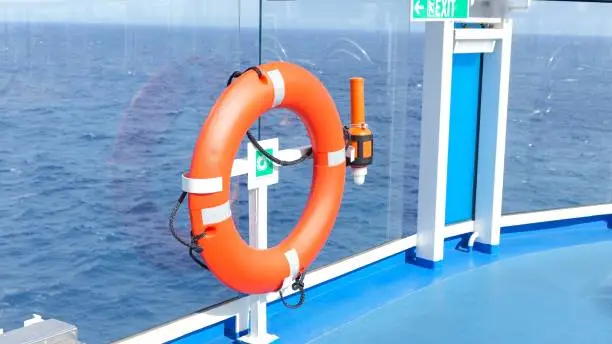
In a real emergency, confusion is the enemy. To know where to go, how to put on the life jacket (they want to show you), and who the leaders of your great crew are can make all the difference. This drilling is the cornerstone of public health and safety, which ensures systematic and effective movement. Completely participating is the first and simplest step you can take for your own health and safety.
2. Hand Hygiene: Your First Line of Defense
When thousands of people from all over the world live in close quarters, the dining room, railings, and casino chips can travel faster than the vessel. The focus on personal health and hygiene is intense for very good reasons: to prevent the spread of diseases, especially Norovirus.
1. What is this:
It’s not just about a quick rinse. Cruise ship lines are famous for hand washing. You will see hand-lining stations everywhere – at the entrance to each dining room, outside the theaters, and even on the gangway when you return from the harbor. Crew members often say a friendly but firm “Vashi Vashi!” It is posted there. Reminder.
2. What to do:
Do your religious cleanliness. Wash your hands repeatedly with soap and warm water for at least 20 seconds (sing “Happy Birthday” in your head twice). The use of alcohol-based products is generous, especially before eating anything. This simple task is the most effective way to protect your personal health and contribute to collective welfare for everyone on the board. If you feel unwell, even a little, it is a matter of public health that you should immediately report to the medical center to prevent a wrath.
3. Understanding the Role of the Medical Center
No one plans to get sick or injured on leave, but it happens. Cessicness, a sunburn, a slide on the pool deck, or a more serious existing position, provokes the medical center of the medical center to handle it. Your health is their priority.
1. What is this:
Modern cruise ship is sophisticated Medical facilities, and fully licensed doctors and nurses are trained in emergency medicine. They are equipped to handle a wide range of problems, from minor diseases to severe emergency conditions. However, they are not hospitalized with full service.
2. What do you know:
Health care is not free on a cruise ship. Treatment is given against a fee, resembling an immediate care clinic. This is the place where wide travel insurance is non-closed. A good policy will cover medical expenses on the ship, as well as the shocking cost of medical withdrawal, which can easily run in tens of thousands of dollars if you need to be lifted from the ship. Don’t gamble with your health or finances – get insurance. If you have an existing condition, you can bring more than enough medicines in the original packaging and keep them in the implementation.
4. Safe Passage: Moving Around the Ship (Especially on Deck)
A cruise ship is a dynamic environment. It continues. Even on the quiet days, a less cheerful person can lose the bone. Wet tires around the pool are always smooth. And high winds can hit without much warning.
What is this:
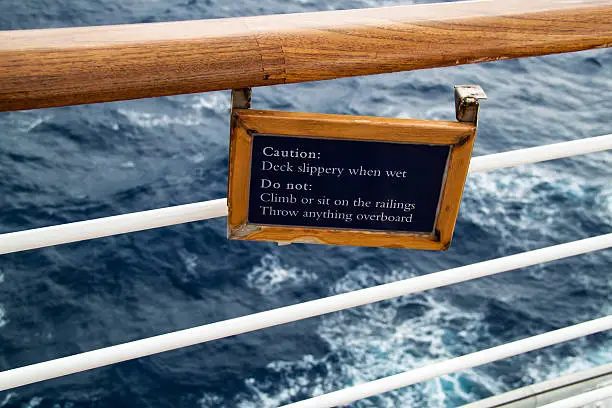
Basic maritime security is about being aware of your environment. Always assume that the deck can be wet. Use the railing on the ladder all the time. The design of the ship’s preference security, but using the features given is above you. Be aware of warning signs. If a deck is closed due to high wind or cleaning, it is for your health and safety.
What to do:
Wear appropriate shoes. They are great for flip-flop pools, but strong, closed-foot shoes are crucial for the gates with a good grip and rotate around the sea when the sea Tadka. Stay extra awake when the ship moves in the evening or when the ship moves. A decline can not only ruin the holiday, but can also cause a serious risk to your health. This is a simple question of personal responsibility for your own good.
5. Shore Excursion Smarts: Safety Doesn’t Stop at the Port
The adventure continues as you get out of the cruise ship in a new country or destination. While the cruise ship line leaves out its official tour operators, health and safety are gradually in your hands when leaving the gangways.
What is this:
Call gates can offer unique challenges from different traffic laws and road conditions as well as unknown food and water quality. The goal is a wonderful experience without any bad surprises that can affect your health.
What to do:
Order through the cruise line (recommended): If your official excursion is delayed, the ship will wait for you. If you go on your own and get stuck in traffic, it will not happen.
Do your research: Understand health advice for the destination. Is it safe to drink water from the tap? Need a specific vaccination?
Food and water should be handled carefully: Stick to bottled water and avoid street foods that can sit outside. An abdominal error is a quick way to spoil a walk.
6. Responsible Consumption: Alcohol and Sun
A vacation is time to lose, but your body still has its limits. Two of the greatest dangers to a passenger’s daily health on a cruise are alcohol consumption and exposure to the sun.
What is this:
The combination of heat, sun, and free drinks can be misleading. Dehydration occurs quickly, and alcohol affects your decision and coordination – a terrible mix on a moving ship with rigid surfaces and railings.
What to do:
Sun Smart: It’s not closed for your health. Use a high-SPF, water repellent sunscreen and often, especially use it again after swimming. Wear a hat and sunglasses. Look for the shed under the top sun from 10 to 2 pm.
Alcohol awareness: The sun and heat will intensify the effect of alcohol. Drink a lot of water during the day – I’m for a glass of water for every alcoholic drink. Know your boundaries. The reduced decision can give rise to accidents, overboard conditions, and make you a target of crime. Responsible consumption is an important part of your health protection and enjoying your holiday.
7. Listening to the Crew: They Are the Experts
This is the protocol that outlines everyone else: Listen to the faith and crew. From his room to the captain, each crew member is trained in security and emergency procedures. They are constantly practicing to ensure that they are ready for any situation to protect passenger health and safety.
What is this:
The crew instructions are not arbitrary. If they ask you to keep the railing, this is because they know the tire is smart. If they do not ask you to bend on a certain railing, it is for a structural reason. If an announcement is given, listen carefully. Their primary task is to ensure the safe operation of the vessel and the welfare of everyone on board.
What to do:
Create crew members with respect and follow their instructions immediately. If an emergency announcement is made, stay calm and listen to the instructions. Their training is widespread for a reason. By collaborating, you actively participate in the security culture that comes with your own health and your fellow travelers.
8. Final Thoughts: A Partnership in Safety
A cruise ship is a great way to travel and see the world. Most trips are completed without the same, even with tough health and safety protocols in place. Your health is a good holiday foundation, and this protocol is the outline that saves it.
What may be wrong in understanding these seven points is not about housing; This is about getting ready so you can focus on everything right. This is a partnership between you and the cruise line. They provide infrastructure, training, and procedures. You provide vigilance and personal responsibility.
Then pack the bags, grab the sunscreen, and get ready for an incredible journey. By making safety and health a conscious part of your plan, you are not just preparing for a trip – you are sure that your memories are just of good times. Now this is a healthy approach to the holidays. Bon voyage
Q: Is the muster drill really mandatory?
A: Yes—international maritime law requires all passengers to participate in the muster drill before the ship departs.
Q: What should I do if I get separated from my group during an emergency?
A: Proceed directly to your assigned muster station; crew members will assist with reunification.
Q: Are life jackets provided for children and infants?
A: Yes—cruise lines provide properly sized life jackets for all ages, including infants.