

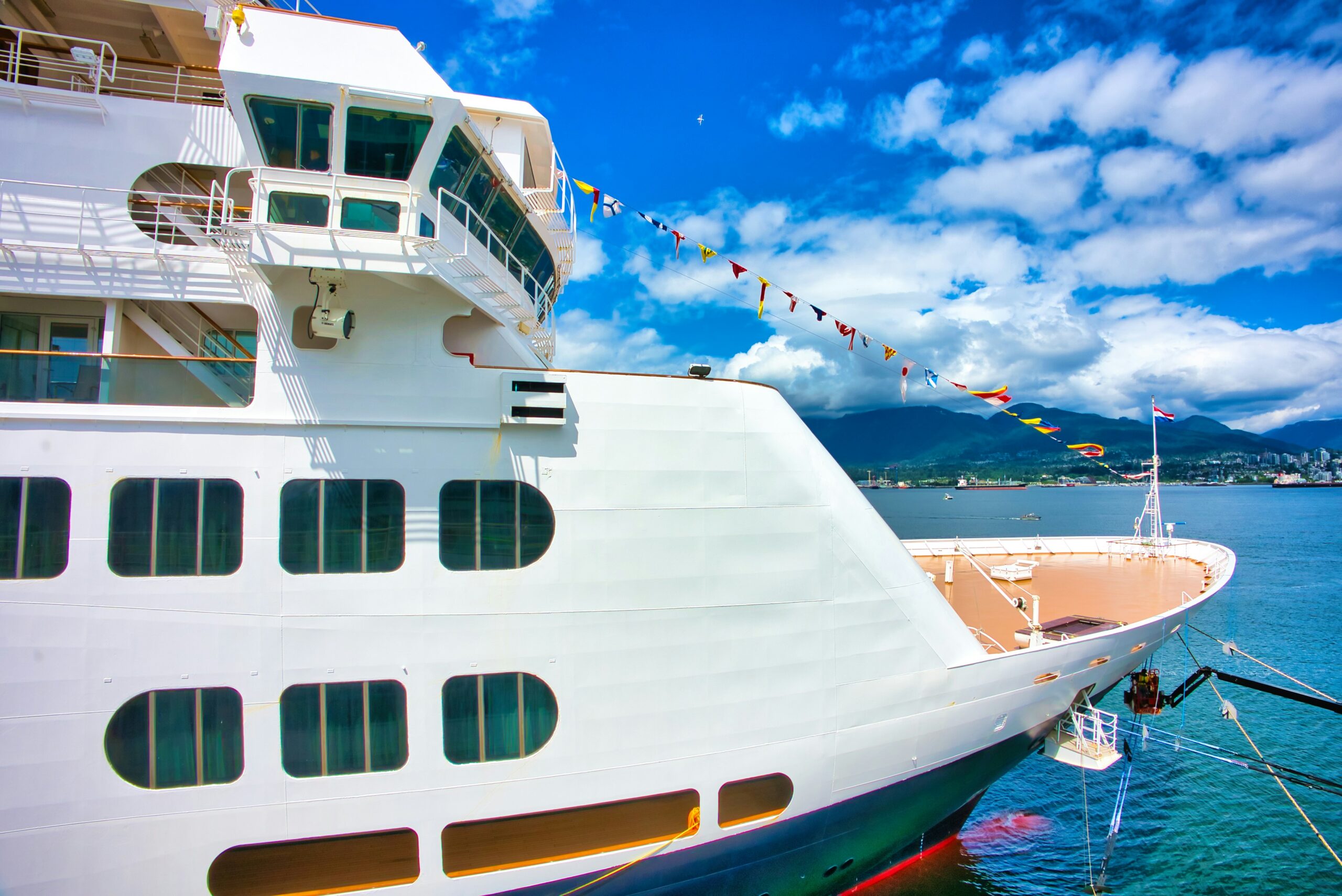
Cruise Ship Technology: 7 Innovative Features Enhancing Modern Voyages
Do you remember the classic image of a cruise ship? It consisted of a shafal table tire, a magnificent dining room, and maybe a small pool. While the indifferent elements still have their own attraction, the modern cruise ship experience is completely replaced by a wave of technological innovation. Today’s ship is less like a floating hotel and is intelligent in the sea, as future cities, not only for entertainment, but for our comfort, safety, and general health.
This technical revolution deals with all aspects of the journey, the moment you live elsewhere, when you separate. It focuses more on the health of travelers and planets, smooth, safe, more individual, and surprising. Let’s dive into the seven new features that are meant to set the sail, define it again.
Table of Contents
1. The Smoother Sail: Advanced Stabilization and Azipod Propulsion
For many people, fears of seasons are a great obstacle to booking a cruise ship. The actual assessment of the speed of the ship may be enough to prevent them who are concerned about their physical health and the effects on comfort. Fortunately, this is an area where technology has probably made the most specific difference.
Modern cruise ships are equipped with computerized stabilizers that extend to the hull. These are not inactive metal pieces; They are dynamic wings that react to the sea movement in real time. The gyroscopic sensor detects the roll of the cruise ship (movement from side to side that causes the most nausea) and adjusts the wings to immediately fight it. The result is dramatically smooth, even in a rough sea. It’s not just about comfort; This is a direct benefit to passenger health, reduces the discomfort of the sea, and makes the hover available to many people who thought it was out of the question.
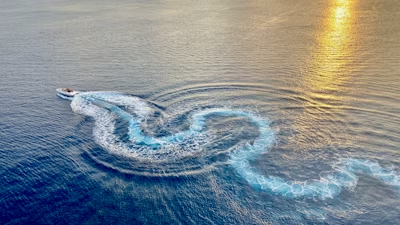
Complete, there is a lot to use the azipod progress. Unlike the traditional shaft-powered propeller, an azipod is an external bellows that can rotate 360 degrees. This gives the vessels a unique maneuver, so that they are almost allowed to park them on the spot, the quay with accuracy, and the more stable title is maintained. The efficiency of this system is also translated into fuel consumption and vibrations, which contribute to a calm, cleaner environment – another subtle, but important factor for mental and physical health on board.
2. The Digital Shield: RFID Technology and the Wearable Medallion
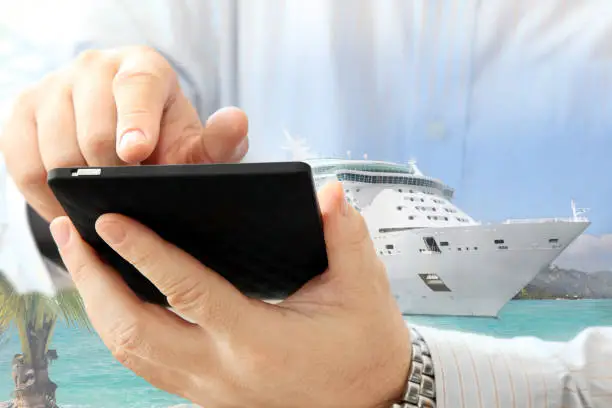
A paper is the day of the family for a ticket or a plastic card. The cruise ship experience has been streamlined by the RFID technique (Radio-Philosophy Identification), the most famous example of the Princess Cruise of the Marine Meal.
It is your personal digital key to the cruise ship, about the shape of the portable tool, a quarter. This unlocks your door as soon as you approach, allows for cashless payments anywhere on the board, and it can be used to check in and out at the gates. But the benefits of convenience and health protection are elaborated. At the practical level, it reduces touch points – a small but important function for public health hygiene.
In addition, the network that supports the medalian allows for increased social dispensation and contact if necessary. From a pure festive perspective, it enables a new level of personal service. Crew members can address you by name (medal indicates your approach), and bartenders may ask before you know your favorite drinking order. This spontaneous, friction-free experience reduces stress and really lets you relax, which is the cornerstone of good mental health.
3. A Breath of Fresh Air: Advanced HVAC and Air Purification Systems
The quality of the air we breathe is fundamental to our health, and it is especially true in shared places. The COVID-19 epidemic accelerated the adoption of hospital-grade air hygiene technologies in the travel industry, and cruise ship are now at the forefront.
Modern vessels are equipped with refined HVAC (heating, ventilation, and air conditioning) systems that do not recirculate air between cabins and public spaces. Instead, they continuously bring the fresh sea air, which is then filtered, air-conditioned, and transmitted. This is a big jump for a 100% fresh air model aboard health.
Many cruise ship have now integrated advanced refinery technologies such as UV-C light broadcasters in air handling units. The UV-C light is a powerful source that neutralizes a high percentage of airborne viruses, bacteria, and mildew as the air passes through the system. Some new ships also use bipolar ionization, which releases charged particles that seek and destroy the contaminants. This creates an environment where the air is not only healthy but also actively sacred; the passenger protects health and provides tremendous security.
4. The Clean Machine: Water Treatment and Sustainability Tech
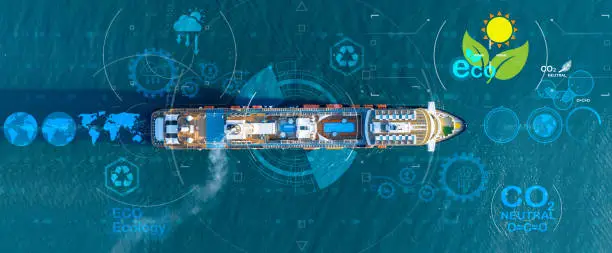
Environmental health in our seas is an important concern, and modern cruise ships surprisingly react to conversations with advanced waste and water management systems. The old stereotype of vessels that pollute the sea is systematically decomposed by technology.
Today’s ship is equipped with advanced sewerage facilities that compete with those in larger cities. They treat all blackwater (sewage) and graywater (from sinks, showers, and gallows), including filtration, ventilation, and sterilization. The resulting waste is so clear that it often meets or exceeds the strict international standards of discharge.
In addition, the waste is carefully sorted, compressed, and stored on the board for recycling or proper disposal on the ground. Food waste is often dehydrated and frightening. Techniques such as scrubbing on exit mounds reduce sulfur and significantly reduce emissions from engines. This overall approach to environmental management is important for the health of marine ecosystems traveling through these cruise ship. It represents an obligation to the health of the planet that allows travelers to enjoy the beauty of the sea responsibly.
5. The Virtual Voyager: Hyper-Connectivity and Smart Apps
He wants “unplug”, a common reason to take leave, but the reality is that connection is now a non-pervasive expectation for most passengers. The health of our individual and professional lives often requires us to be available, even when we are not.
Cruise ship lines have responded by investing a lot in satellite technology. SpaceX’s Starlink brings the latest progression, high-speed broadband, to the high seas. This means that you can now stream movies, video calls at home, and even attend a virtual meeting from the center of the Atlantic. This connection is a two-edged sword-it provides the necessary contact, but can interfere with a real digital detox. However, the power in your hands, which you see, is suitable for your mental health.
Beyond internet access, the proprietary smartphone app has become the central nervous system for the cruise ship experience. You can use them to book dinner and dips, check daily activities, navigate the ship’s tire plans, and even monitor your account on board. It reduces lines, papers, and frustration, contributes to a lower, more fun holiday, which is always a boost for your health.
6. The High-Tech Haven: Smart Staterooms and Biophilic Design
Your private cabin has evolved from a single place to sleep in the “smart rhudge” designed for optimal comfort and relaxation. The focus on health is clear in detail.
Many rooms now have programmable thermostats, smart lighting systems that you can accommodate for mood or fight jet lag, and USB doors can be integrated into any understandable surfaces. You can control curtains, TVs, and even order room service directly with your tablet or your phone. This creates an environment that you can fully tailor for your comfort, promote better sleep and improvement, an important component of physical health.
An increasing trend is the inclusion of biophilic design – a concept that uses technology to strengthen our innate conditions for nature. It may include virtual windows in the inner rooms showing a real HD feed of the sea outside, or LED lighting systems that mimic the natural progression of the daylight to regulate the circadian rhythm. Some luxury lines also have a statum with an integrated air cleaning system and vitamin C-infected rainfall for skin health. These properties show a deeper understanding that real welfare is a mixture of high technique and natural comfort.
7. The Data-Driven Deck: Robotics and Artificial Intelligence
The future comes on deck with robotics and AI. Still emerging, these technologies are already increasing operations and guest experiences.
On the operational side, AI is used to adjust the passage of a fuel efficiency ship and to avoid bad weather, to ensure a smooth and safe journey. It also helps to handle energy consumption in the vessel’s “smart network” when it is not in use to reduce non-essential systems. This operational efficiency supports both the environmental health of the ship and its bottom line.
For guests, we see the first wave of robotic bartenders mixing the right cocktail with entertaining accuracy. Chatbots on apps can immediately answer general questions and free members of the human crew for more complex tasks. In a galley, automated systems help prepare food, ensure continuity, and maintain the highest standards for food security and health. This is an important point: The Technology Board is a powerful partner to maintain the hygiene standards required to protect passenger health.
8. Sailing Into the Future
The romance of the sea will always be the heart of a cruise break. But now the romance is supported by a quiet, refined layer of technology that tirelessly tries to increase every moment. It makes the vessels safe, smooths the journey, and makes the whole experience more individual and less stressful.
This focus on innovation reflects the intensive commitment of the industry for all aspects of health: Through cleaner air and smoother travel, the physical health of passengers, low stress and improved relaxed mental health, and on environmental health to the precious seas. This general approach to health is a real innovation, proving that modern cruise ship is not only designed to take you to new destinations, but to bring you back to feel better when you have walked.
Q1: Are LNG-powered cruise ships truly better for the environment?
A: Yes—LNG drastically cuts sulfur oxide (SOx), nitrogen oxide (NOx), and particulate matter emissions compared to traditional marine fuels, though CO₂ reduction is more modest.
Q2: How do virtual balconies work?
A: High-resolution, live-feed cameras mounted on the ship’s exterior stream real-time ocean views to large LED screens inside windowless cabins, simulating a balcony experience.
Q3: Can passengers control their cabins with smartphones?
A: Absolutely—many modern ships offer dedicated apps that let guests adjust lighting, temperature, blinds, and even order room service from their phones.