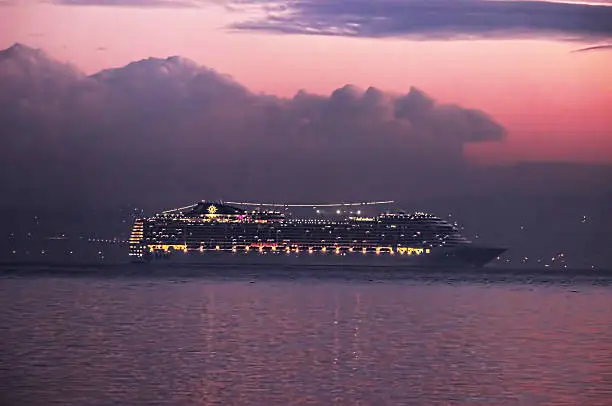








Cruise Ship Families: 10 Essential Strategies for Stress Free Sailing

Introduction
A unique enchantment arises when families embark on a Cruise Ship adventure. From the rocking of the sea to the vibrant array of activities onboard a family cruise guarantees collective joy, memorable sunsets and moments woven with ocean breeze and moonlight.However lacking planning that ideal holiday can soon turn into turbulent emotional seas tantrums, at the buffet misplaced passports or the dreaded “I’m bored!” resonating within cabin walls.
But what if your family cruise could be not just smooth but soul-nourishing?Drawing on real-world insights from seasoned cruisers and child development experts, here are 10 emotionally intelligent, practical, and deeply human strategies to transform your next Cruise Ship journey into a sanctuary of connection, joy, and calm even with kids in tow.
Table of Contents
1. Choose Your Cruise Ship with Intention, Not Just Itineraries
Cruise Ship adventures vary greatly for families. Before getting excited about an itinerary consider: Is this vessel genuinely designed with families in mind?Look beyond flashy slides and splash zones. Seek ships with:
Designated family areas that offer both excitement and tranquility (consider reading corners adjacent to children’s activity centers).Flexible dining with kid-friendly yet nutritious options.Staterooms designed for real family life (pullman beds, split bathrooms, soundproofing).
Brands such as Royal Caribbean, Disney Cruise Line and Norwegian Cruise Line specialize in family-focused layouts.The ideal vessel for you depends on your family’s unique dynamics. A reserved kid could do better on an intimate ship with less hustle whereas an energetic teenager might seek the constant excitement of a large mega-liner.Pick a Cruise Ship that reflects your family’s vibe rather than solely ticking off your bucket list.
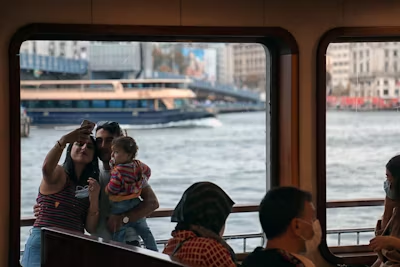
2. Pre-Travel Calm: The “Family Cruise Ritual”
Anxiety typically surges prior to leaving not once onboard. Combat this by establishing a Family Cruise Tradition during the week, before your journey.This goes beyond packing lists (though they are useful). It’s about readiness:
Organize a “Cruise Vision Board” evening: Allow every family member to express what excites them the most and what worries them. Normalize concerns: “It’s perfectly fine to feel shy at the kids’ club.”
Experience the “boat life” at home: Have dinner device-.Take a pretend “shore excursion” stroll, around your neighborhood using a map.Pack a “Comfort Kit” together: favorite snacks, a travel journal, noise-canceling headphones, a small family photo.These micro-moments build emotional safety, so when you step onto that Cruise Ship, your family already feels anchored.
3. Master the Art of the Flexible Itinerary
Packing the itinerary tightly is the top cruise destroyer for families. That “essential” 9 a.m. Zip-lining shore excursion? It could conflict with a toddler’s nap time. A teenager’s unexpected craving, for some rest.Instead, adopt the 3-2-1 Rule:
3 must-do activities (one per day max).
2 gentle explorations (e.g., pool time, onboard scavenger hunt).
One devoted “idle” moment each day.On a Cruise Ship moments stretch when you cease pursuing them. Allow your child to dawdle at the golf area. Agree to that ice cream break. The aim isn’t to “experience everything”, it’s to be united.

4. Turn Stateroom Chaos into a Cozy Nest
Your cabin serves as your sanctuary. On a Cruise Ship a messy or confined stateroom can heighten stress when dealing with jet lag or seasickness.Transform it into a sanctuary:Request a cabin near elevators (less walking with tired kids) but not directly under high-traffic areas (like nightclubs).Bring battery-powered fairy lights or a small essential oil diffuser (check cruise policies) for calming ambiance.
Utilize packing cubes, per family member children can “claim” their area.Hang a fabric organizer on the back of the door for snacks, sunscreen, and wet swimsuits.A peaceful stateroom = quicker resets after sensory overload.
5. Ditch the Dining Drama with Strategic Meal Planning
Hunger + crowds + unfamiliar food = meltdown central.Avoid buffet battles by using the Cruise Ship’s dining flexibility to your advantage.Dining early (5:30–6:30 p.m.) frequently results in queues and more fresh meals.
Room service serves as an option, for those who sleep in or have selective tastes (many cruise lines provide 24/7 basic service usually at no cost!).
Reserve specialty dining in advance, for an adult meal while children participate in guided activities.
Pack emergency snacks (granola bars, fruit pouches) in your beach bag.Keep in mind: It’s perfectly fine if your 5-year-old consumes bread and fruit for a few days.Their nutrition will even out, over time.Maintaining calm during meals is more important.
6. Empower Kids as “Cruise Co-Captains”
Children flourish when given control. Then commanding each action encourages them to help steer your Cruise Ship journey.Provide them with a printed planner to mark the activities they wish to experience.
Delegate “tasks”: Older children handle the cabin key; younger ones pick the ice cream flavor for the day.Use the ship’s app together to track dinner reservations or showtimes.
This isn’t just fun, it builds confidence and reduces resistance.When kids feel heard, they’re more likely to cooperate (and less likely to scream “I’m bored!” because they helped shape the day).
7. Build in Emotional Recharge Zones
Even bliss can be too much for nervous systems. Schedule intentional “reset intervals”:
Morning awareness: Gaze at the sunrise from the upper deck side, by side quietly, simply inhaling and exhaling.Afternoon siesta: Enforce 30–60 minutes of quiet time in the cabin (audiobooks, coloring, naps).
Evening relaxation: Exchange a “rose & thorn” at bedtime what was the part? What presented a challenge?.
These ceremonies respect your family’s requirement for managing emotions important, in the sensory-overloaded setting of a Cruise Ship.
8. Prepare for the “In-Between” Moments
The enchantment and frustration of cruising frequently resides in the moments in, between: waiting for shuttle boats moving between performances queuing at security checkpoints.Arm yourself with “Transition Kits”:
Small puzzle books or card games.
A shared playlist of calming or uplifting songs.
A “story chain” activity: Everyone contributes one sentence to a narrative.These moments aren’t downtime they’re connection opportunities disguised as waiting.
9. Normalize Seasickness Without Amplifying Fear
If your youngster tends to suffer from motion sickness, handle it with sincerity rather than alarm.Prevent proactively: Book a mid-ship, lower-deck cabin (least motion).
Travel aids: Dramamine Kids, wrist acupressure bands, ginger chews.
Rewrite it as: “Certain individuals have bodies that’re highly receptive to the ocean’s pulse and that’s perfectly fine. We will look after you.”The majority of Cruise Ship facilities provide seasickness patches or medications don’t hesitate to request them. Your composed reaction models strength, beyond the journey.
10. Leave Space for Grace Especially Your Own
Here’s the reality no brochure reveals: Not every instant, on a Cruise Ship will be flawless. Someone will shed tears. Someone will miss the gangway announcement. You’ll leave the sunscreen behind.That’s all right.Give yourself permission to:
Avoid an activity if your child feels overloaded.
Request wine, during lunch if you require a break.
Giggle when the cabin bathroom overflows (it does occur!).
Traveling as a family isn’t centered on flawlessness, it’s focused on being there. The genuine keepsake isn’t a shell, from St. Thomas. It’s the recollection of your child’s hand holding yours while you observed dolphins sprinting beside the boat both silent both where you were meant to be.
Closing Reflection: Your Cruise Ship Represents More Than a Boat It Serves as a Medium, for Connection
A family voyage on a Cruise Ship is more than a holiday. It’s a reflection of life itself: unexpected, challenging, stunningly magnificent. By getting ready not in practical terms but also emotionally you turn possible stressors into chances, for stronger connections.
Bring along the sunscreen certainly. Equally bring patience, adaptability and a strong conviction that your family can remain composed even on the water.
Because the most luxurious thing on any cruise ship isn’t the infinity pool or the lobster buffet.It’s a sense of tranquility.And that’s something every family deserves to sail into.
1. What’s the best cabin location for families with young kids?
Opt for a midship stateroom on a lower deck it’s quieter, minimizes motion sickness, and is closer to elevators, kids’ clubs, and family-friendly dining.
2. How can we avoid long lines and mealtime chaos?
Book main dining room seating in advance, use the cruise line’s app for reservations, and take advantage of off-peak buffet hours (e.g., 12:30 p.m. or 2:30 p.m.).
3. Are kids’ activities really free on most cruise ships?
Most supervised daytime programs for ages 3–12 are included in your fare, but specialty experiences (like teen lounges, late-night babysitting, or water park access) may cost extra always check your cruise line’s policy ahead of time.