






The Dark Side of Cruise Ship Life: 8 Brutal Truths About Working Onboard

Introduction
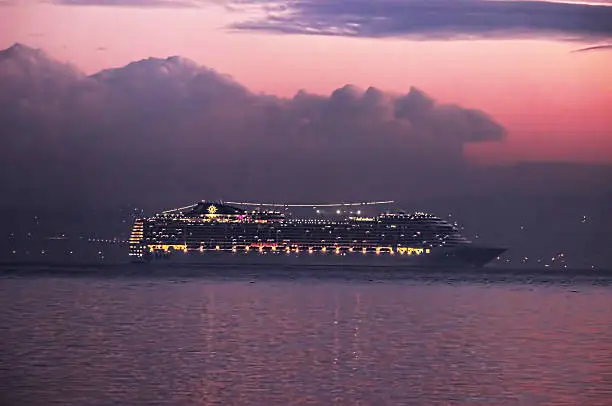
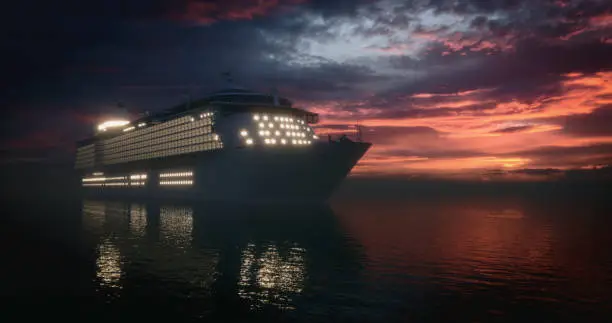
When the majority imagine a cruise ship their thoughts wander to decks, exotic drinks and relaxing holidays. However beyond the chandeliers, exquisitely arranged dishes and cheerful crew exists an unseen reality that most travelers never witness. For the tens of thousands of staff members residing and laboring on these metropolises, life onboard is seldom luxurious; it is demanding, lonely and emotionally challenging.
While cruise lines market paradise, the reality for many employees tells a different story. If you’ve ever wondered what it’s really like to work on a Cruise Ship, prepare for a sobering journey beneath the surface.Here are eight brutal truths that expose the dark side of cruise ship life not to sensationalize, but to honor the resilience of those who keep these vessels running.
Table of Contents
1. You’re On Call 24/7, 365 Days a Year
Dismiss the 9-to-5 routine. When working on a Cruise Ship, your “workspace” doubles as your sleeping quarters, your cafeteria and frequently your sole glimpse of the outside seen through a porthole the size of a dinner plate. Contracts usually span 6 to 10 months without any breaks. Crew members put in 10–14 hours each day every day of the week, during holidays, birthdays and urgent family situations.
There is no such thing as “clocking out.” If a passenger requires assistance at 3 you respond. If a VIP asks for towels at midnight you provide them. The ship runs continuously. So do you. This nonstop routine causes exhaustion, burnout and a harmful blurring of work-life limits that essentially disappear when your workplace doubles as your home.
2. Your Freedom is an Illusion
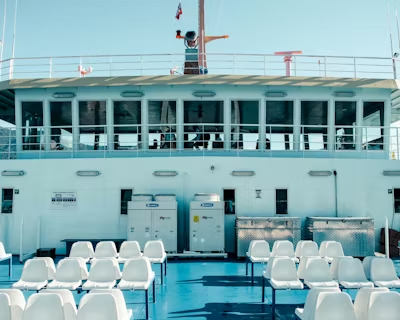
Although traveling through seas and stopping at exotic harbors the majority of crew members seldom if at all disembark. Why is that? Because of schedules.While passengers wander sites or enjoy espresso in Barcelona, crew may only have 30 minutes to an hour at port if fortune favors them.
Even when they do get shore leave, visa restrictions, tight schedules, and physical exhaustion often keep them onboard. Many contracts also require crew to wear uniforms even during their rare off-hours, marking them as outsiders in foreign lands.The irony is crushing: you’re surrounded by the world’s most beautiful destinations, yet you’re effectively imprisoned within a floating hotel.
3. Pay is Low, but Expectations are Sky-High
Don’t be deceived by luxury. Numerous entry-level roles on Cruise Ships such as housekeeping, kitchen crew and junior entertainers make about $800 to $1,500 monthly despite clocking over 80 hours each week. While tips might increase earnings they are irregular and frequently shared unequally among departments.
At the time travelers anticipate top-tier service consistently. A placed pillow or a slow reply might lead to grievances affecting your performance evaluations and upcoming agreements. The strain of sustaining a smile no matter personal difficulties or sorrow generates emotional work so intense it has been likened to the pressures faced by healthcare professionals or flight crew members.
4. The Living Environment Is Constricted and Undignified
Disregard the balconies and king-size beds that passengers get to enjoy. The majority of crew cabins are occupied by 2–4 individuals arranged in cramped bunks with limited personal room. Privacy is a privilege, for most. Bathrooms are shared, laundry areas are congested and natural sunlight is frequently absent.
These quarters are usually located deep in the ship’s bowels below sea level, far from windows or fresh air. After a grueling shift serving champagne under crystal chandeliers, you return to a windowless room that smells of stale laundry and industrial cleaner.For months on end, this is your “home.”It’s no wonder mental health struggles are rampant among crew.
5. Mental Health is Often Ignored Not Supported
Being isolated, deprived of sleep, experiencing displacement and being separated from family and friends inflict significant psychological strain. However mental health support available onboard is minimal or completely lacking. Numerous crew members mention being advised to “endure it” or face the possibility of contract termination.
There is also a stigma associated with asking for assistance. Acknowledging that you are having difficulties may be viewed as a sign of frailty possibly risking your role or upcoming tasks. Without availability of therapists, support networks or even peaceful areas to unwind, crew members must manage on their own surrounded by unknown individuals who are likewise engulfed in silence.
6. You Are Viewed as a “Resource,” Not a Human Being
Cruise lines function with profit margins and see labor expenses as something to reduce as much as possible. Training frequently focuses on productivity, rather than compassion. Human resources guidelines put the company’s image above the health of the staff. If you fall ill or get hurt you might be dismissed without salary or healthcare benefits if you are unable to resume work away.
More troubling crew members frequently hail from nations with limited labor safeguards exposing them to potential abuse. Agreements might lack clarity. Working hours lengthened without approval. While cruise ships operate under flags of convenience (commonly registered in countries such as Panama or the Bahamas) they are mostly not subject to labor regulations placing employees in legal limbo with minimal options for redress.
7. Connections Deteriorate. Turn Harmful
When your whole community is limited to a thousand individuals, on a drifting island connections get complex. Love affairs happen frequently. Tend to be brief and emotionally unstable. Without a way to avoid partners or office conflicts frustrations build up.
At the time relationships over long distances with family and friends at home begin to weaken. Differences, in time zones, unreliable internet ( costly and sluggish) and emotional fatigue render genuine communication almost unattainable.Numerous crew members mention coming to discover that loved ones have moved forward not out of spite but because it was needed.The result?A paradoxical loneliness: surrounded by people yet profoundly alone.
8. The “Escape” Fantasy Works Both Ways But Only for Passengers
Cruise companies offer fantasies: getaway, rejuvenation, excitement. Yet although travelers leave revitalized the crew endures the physical aftermath. They’ve tidied rooms, prepared countless dishes, maintained countless smiles in interactions all while mourning missed births, funerals and significant events.
When will their agreement conclude? They are frequently sent home quietly anticipated to return to a life that has progressed in their absence. The stark difference between the passengers’ manufactured happiness and the crew’s quiet selflessness may be the reality of it all.
The Human Cost Behind the Luxury
This is not a condemnation of cruising as a sector. Rather an appeal for increased openness, compassion and change. The Cruise Ship journey relies on the work of countless individuals who merit respect, equitable wages, mental wellness assistance and genuine relaxation.
As voyagers we have room to improve. Inquire about the well-being of the crew. Offer tips. Show kindness to the service personnel just as they show to you even when they are tired.. As creators of content, promoters or narrators (such as yourself) we can make the story more relatable going past shiny brochures to recognize the complete range of experiences, at sea.The real indicator of a Cruise Ship’s opulence isn’t found in its marble flooring or exclusive butlers it lies in the way it values the people who create the experience.
Final Thoughts: Beyond the Surface
Employment on a Cruise Ship isn’t intrinsically awful; numerous crew members develop friendships, acquire international exposure and feel pride in their duties. However idealizing it without recognizing its aspects is unfair, to all parties concerned.
The next occasion you walk onto a shining deck and lift your drink. Look out at the vast sea keep in mind: beneath you someone is scrubbing a floor shaping a towel into a swan or quietly enduring homesickness with a well-rehearsed smile. Their experience is also part of the journey.And perhaps, just perhaps, the most meaningful way to enjoy a cruise is to carry their truth with you long after you’ve returned to solid ground.
1. Do cruise ship workers really work every day without breaks?
Yes most crew members work 10–13 hours a day, 7 days a week, for contracts lasting 6–10 months with no days off. Time off is often limited to a few hours in port, if at all.
2. Are living conditions onboard as glamorous as the passenger experience?
Not even close. Crew cabins are typically tiny, shared (often with strangers), and located below the waterline with no windows far from the luxury guests enjoy.
3. Can crew members easily leave a contract early if they’re unhappy or unwell?
Almost never. Early termination usually requires medical evacuation or serious emergency, and crew may face penalties, withheld wages, or blacklisting making it a high-stakes commitment.